Impact

The material record

What the cloth is made of.

Four numbers that describe the garment: what it’s made from, how heavy it is, how many exist and how it’s cut.

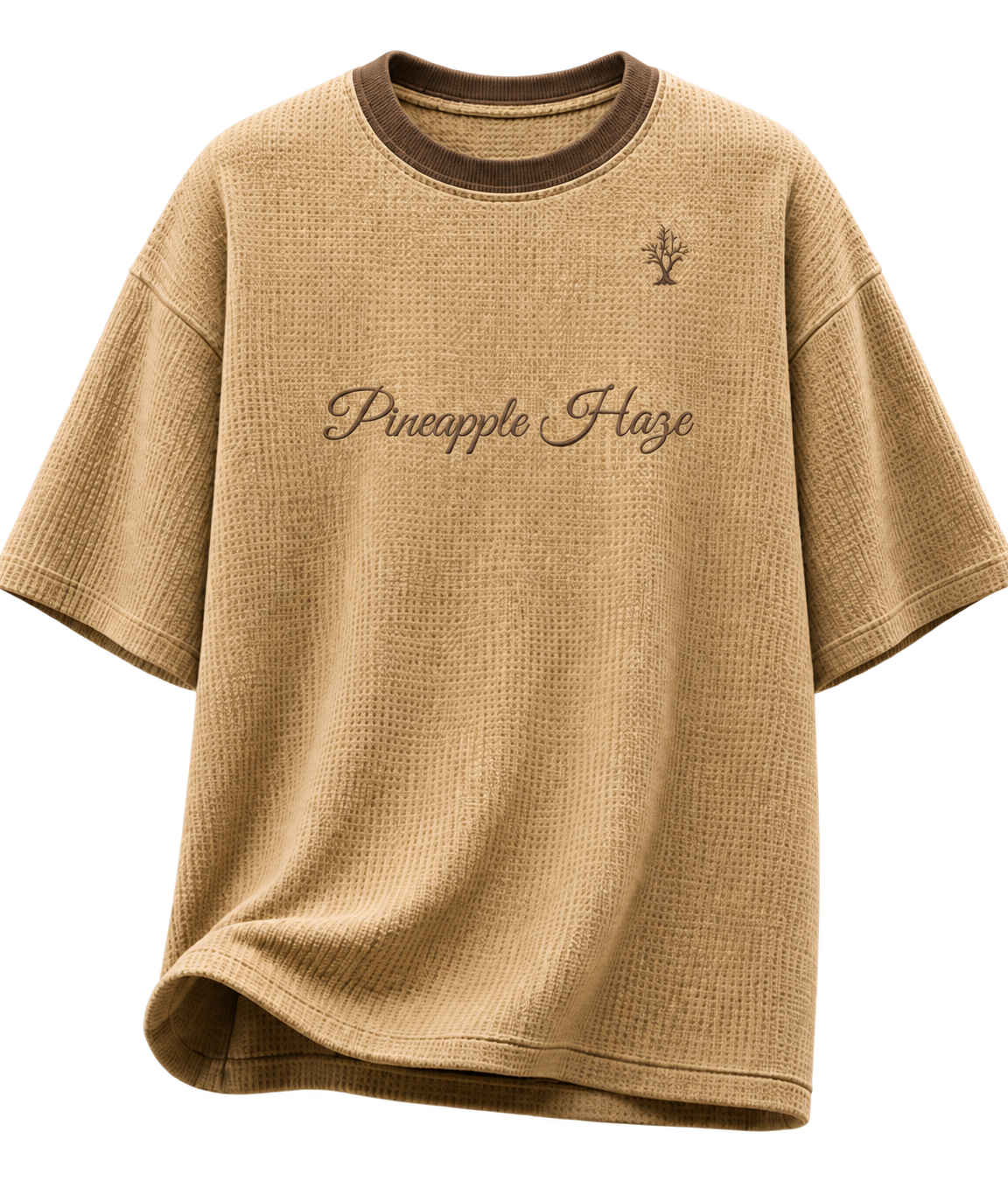
The Rootwear tee, laid flat
Fig. 1 The piece, laid flat

The four, in full

What each number means for the garment

01

30/70

Hemp fibre comes from the bast — the layer just under the bark of the stalk — rather than from a seed head. Bast fibres are long, which is why hemp has historically been used for rope and sailcloth before it was used for clothing.

That length is also what makes it stiff on its own. Blending it with cotton at roughly thirty to seventy gives a cloth that holds the structure hemp brings while starting soft enough to wear from the first day rather than the tenth.

The practical consequence is how it ages: the weave relaxes where you move and holds where you do not, so the garment ends up shaped by its wearer rather than by the cut alone.

In short Soft from the first wear, and it gets better with time.
02

180GSM

GSM is grams per square metre: the mass of the cloth itself, independent of how it is cut. It is the most useful single number for predicting how a garment will feel, and the one most often left off a label.

Below about 150 GSM a jersey is summer-weight and translucent under strong light. Above about 220 it starts behaving like a sweatshirt. At 180 the cloth is opaque, holds a shoulder line, and still drapes rather than standing away from the body.

It also sets expectations for the first wash. A heavier jersey moves less and keeps its length; this is a weight that settles rather than shrinks noticeably.

In short Opaque, structured and easy to wear year-round.

03

25

A drop is cut once. Twenty-five pieces exist, each carrying a number from 01 to 25 written by hand, and when they are gone the drop closes rather than restocking quietly.

Your number is assigned when your payment goes through, so every number belongs to a real owner.

Once a drop sells out, it stays on the site with its story and imagery, as a record of what we have made.

In short When a drop is gone, it’s gone.

04

05

One cut, one colour, five sizes. Keeping it simple is what lets us number every piece by hand.

The cut is oversized, and the size guide publishes real chest and length measurements in centimetres for every size rather than describing the fit in adjectives.

Returns are for manufacturing defects only, so we publish exact measurements to help you choose the right size first time.

In short Check the size guide before you order.

Before it was a garment

An ancient fibre. A new chapter.

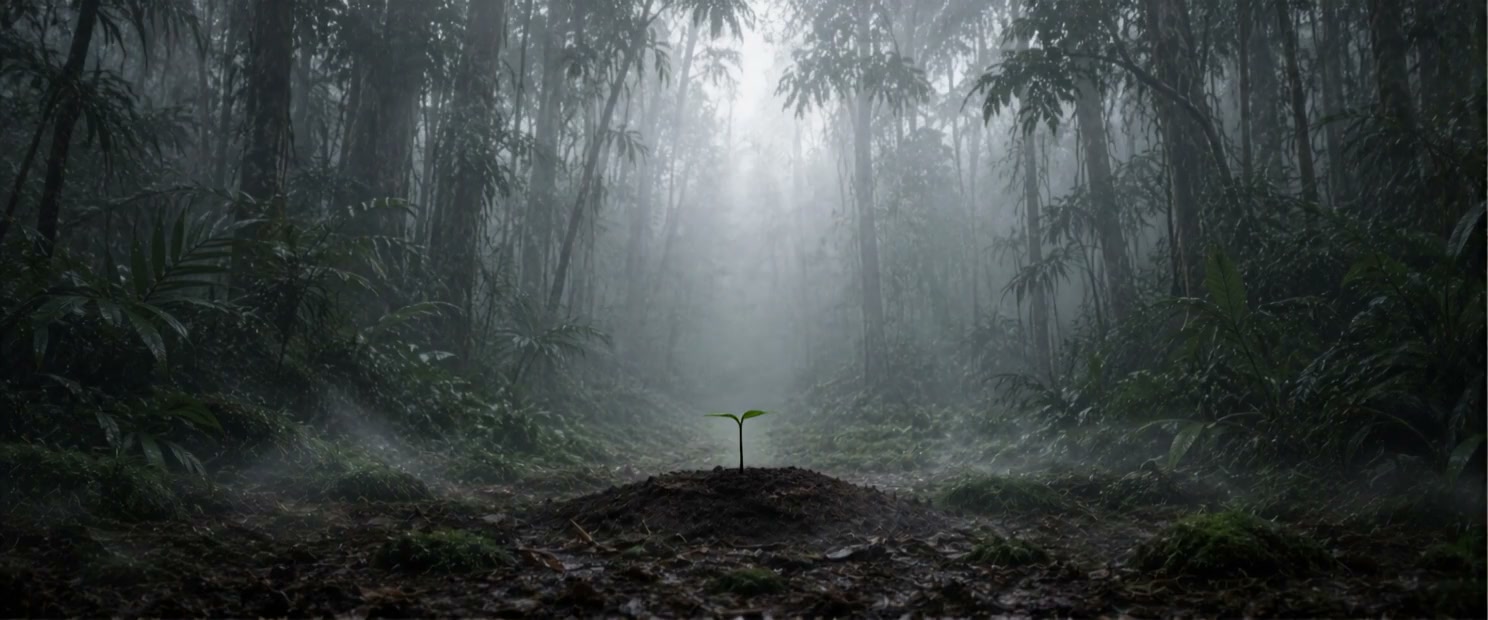
A seedling in a misty forest clearing
Fig. 2 Where every piece begins
  1. c. 6000 BCE / East Asia

    The first threads

    Archaeological evidence places the use of cannabis seeds and fibres in East Asia around 8,000 years ago. Hemp's material story began long before modern fashion.

    Read the research in Nature ↗(opens in a new tab)
  2. 1885 / Punjab, India

    India, in the fibre

    A hemp fibre sample from Punjab, given by the Royal Botanic Gardens, Kew, in 1885, is preserved in the Smithsonian's collection — a tangible record of India's place in this material's history.

    Explore the Smithsonian archive ↗(opens in a new tab)
  3. Today / Rootwear

    Grown, not manufactured.

    Our chapter starts with hemp-led fabrics and everyday pieces. Knowing the roots of a material is part of choosing what comes next.

See it in the cloth

Twenty-five pieces, numbered by hand.